There is nothing onerous about being a sustainable visitor in the national parks of the Northern Territory, yet it will have you put in some proper planning, act with some decorum and slow your pace; after all, this is a place that warrants it. The short of it: go when the season is right, hearken to the park’s official word, keep to what is marked, be mindful of cultural protocols and waste or fuel, and put your money where operators and accommodation are of service to Country, not depleting it.
You would be hard pressed to get George Vale to say otherwise, he would have it that the NT has more in store for the steady sort of traveller than the hero type. Organise yourself before you turn the key and the Top End is as good a place in Australia as any for low-impact travel, even if in the wet it is rough as guts and the dry sees a few of the headline locations as crowded as sardine tins.
Travel Better From The Start
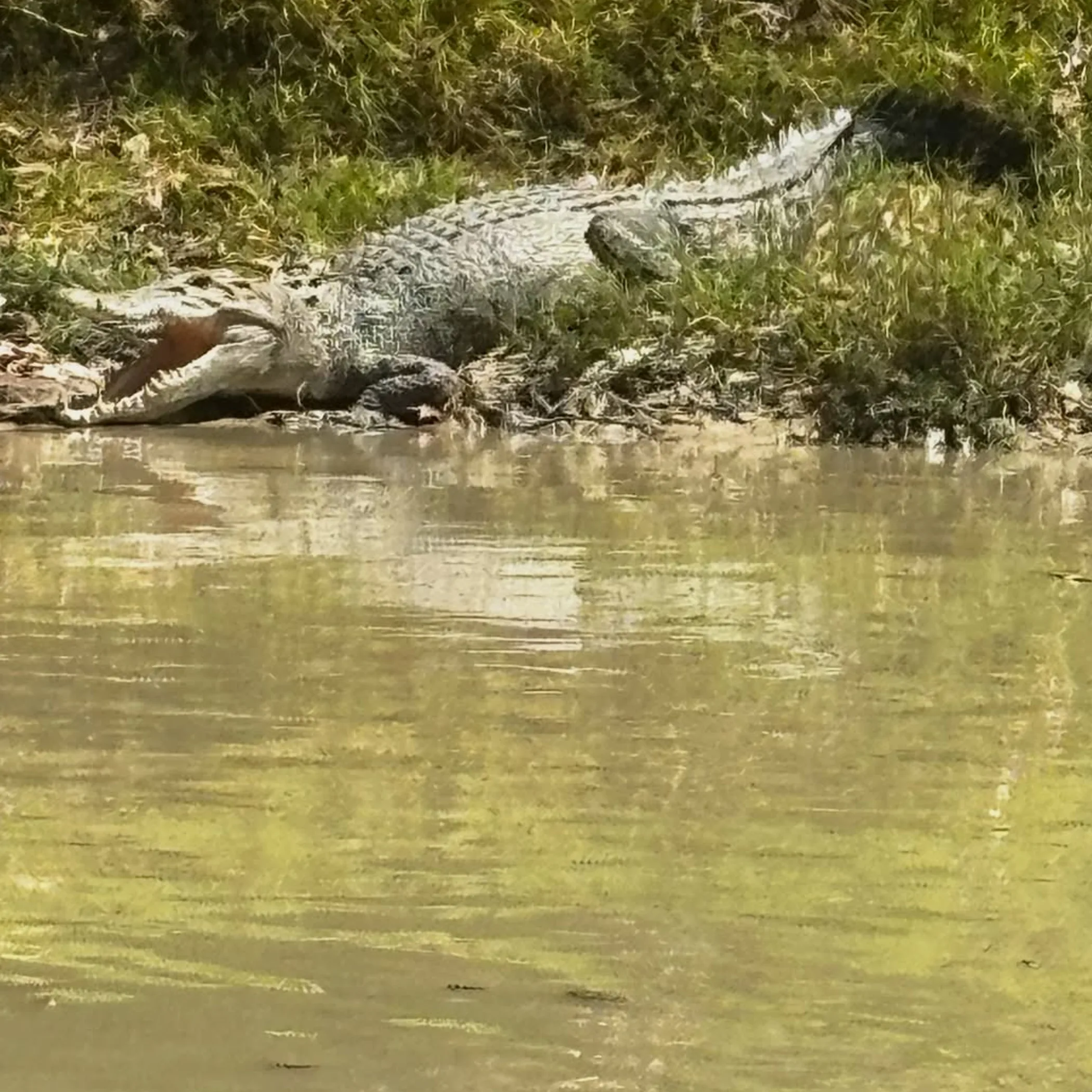
One does not have to get to Kakadu National Park or turn off towards Litchfield National Park to start a sustainable trip. Embracing eco-friendly Kakadu practices is essential. Most of the environmental blunders are made by those who show up overconfident and underprepared, thinking the bush will put up with their poor planning.
George Vale favours an orderly departure and in the NT there is a dividend to be had for such habits. With good planning you will not be needlessly driving around closed off areas and can distribute your time over places equipped for it.
Know The Main Park Differences
Do not think one rule will do for the lot. Kakadu National Park is a federal concern under Parks Australia and is jointly managed, so its entry arrangements are different to a number of the Territory-run parks. Then you have Litchfield National Park and Nitmiluk National Park with their own seasonal closures and access patterns.
Before you leave, look at the visitor information for Kakadu from Parks Australia Kakadu visitor information for any safety notices or updates. Road and swimming access, ranger advice and what is open at cultural sites can be altered in a hurry by heat, fire or rainfall.
Permits, Passes And Timing
The distinction between a pass, a booking and plain road access is where people are caught out. You will find entrance fees at Kakadu National Park and separate bookings for a cruise or some camping. As for the Territory-managed parks, they have their own systems for campgrounds and the like, so do not put stock in an old screenshot from a friend but check for yourself.
The dry makes for easier walking and roads but also a concentration of visitors. Come the wet you may have fewer crowds and the country is dramatic, but then again you might find your access curtailed and the humidity has you down by morning tea. And from November through April the north has cyclone weather to contend with.
| Park | Best For | Typical Access Notes | What Often Catches People Out |
| Kakadu National Park | Long stays, escarpments, wetlands, culture | Sealed and some seasonal roads; large distances from Darwin; entry fees | Not giving enough thought to site closures, the heat or fuel needs and how long the drive is |
| Litchfield National Park | Waterfalls, day access, short trips | From Darwin it is popular; roads are busy at peak times; some of it is seasonal | Being late to find the car parks or swimming areas are no longer an option |
| Nitmiluk National Park | Cultural tours, gorges, paddling | Via Katherine is best; advance booking called for on activities | To suppose every part of the gorge is open and easy all year |
Use Smarter Transport Choices
Efficiency is the name of the game for low-impact transport in the NT, not some pious gesture. With the distances involved and fuel not on every corner, a route not well thought out will see you making unwise choices in the dusk as the wildlife stirs, not to mention the extra fatigue and emissions.
George Vale would have you pick a route that allows for a detour but does not count on it. The most sensible kilometre is the one you do not have to put in twice.
Drive Fewer, Better Kilometres
Make of Litchfield National Park a proper day or overnight from Darwin rather than a hasty afterthought. And give Kakadu National Park a few nights; a responsible out-and-back is something NT travellers will tell you about with a straight face.
Should you be limited to a day, Litchfield National Park is to be had from Darwin without having to “do” Kakadu National Park in one fell swoop. An online map will have you believing the times are fine until you factor in the photo stops, the heat, the roadworks and a walk or two. A four hour drive is easily six before you know it.
Choose Shared Or Guided Options
The operators of an eco tours Northern Territory will take some of the pressure off in terms of vehicle use and logistics, while steering visitors away from restricted zones. For those making their first visit and who may have more enthusiasm than sense, they put things like cultural respect, conservation and seasonal safety in proper perspective.
If you are on your own, would rather not be driving in the remote, or are after some interpretation that a signboard in the sun cannot provide, shared transport is the way to go. It is well suited to the seasoned traveller who is nevertheless new to the croc-wise ways, the tropical heat and the long distances of the NT.
Pick Activities With Less Impact
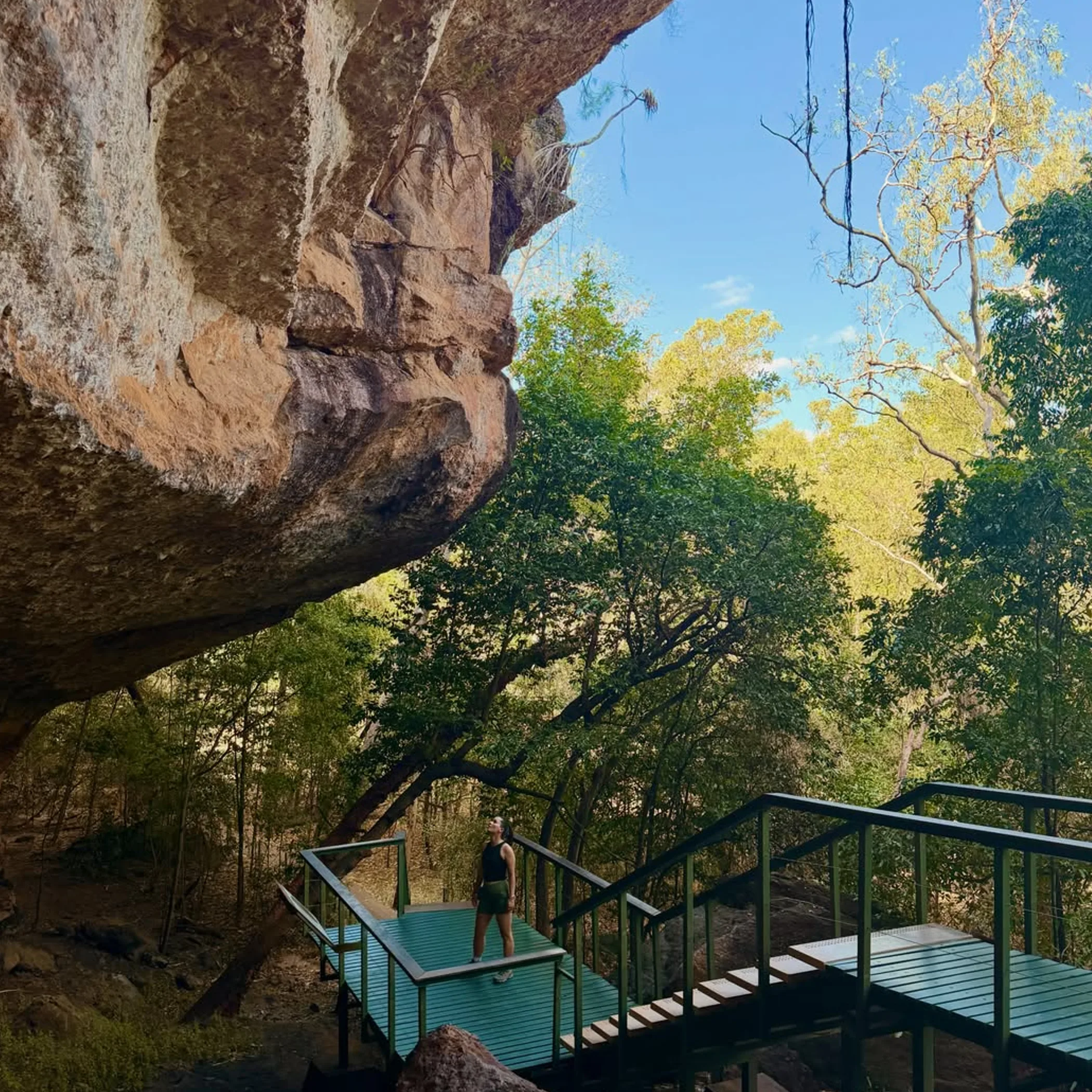
On paper the most sustainable experiences are not the showiest. There is less of a footprint to be had with an early wetland cruise, a paddle after a good briefing or a cultural walk under guidance than with an itinerary that has one in a constant state of restlessness. As George Vale will tell you, it is the low-impact days that are best remembered; you have more time and less nonsense for your trouble.
Favour Guided Learning
When it comes to ecotourism there are few better options than Aboriginal-owned tours Northern Territory. They bring to bear a place-based care and local authority that allows a traveller to know where he is, not just where his car is. In Kakadu National Park this is important, for Country is not scenery without people. By backing an Aboriginal enterprise you keep the tourism dollar in the community and get a better read on bush foods, story places and what is expected of you in the way of behaviour.
Stick To Durable Access
Heed the signs and stick to the boardwalks, marked lookouts and designated boat launches. One does not do the vegetation any favours by cutting a corner for a photo, nor does it stop others from doing the same once they see you have made a track of it. The same applies to camping and walking: in theory it is easy to make minimal impact, but in practice people let things get out of hand. Unless you are on top of it, the chairs, eskies and washing gear will be all over the place and vehicles will be moving about beyond the site boundary.
Sleep Lightly On Country
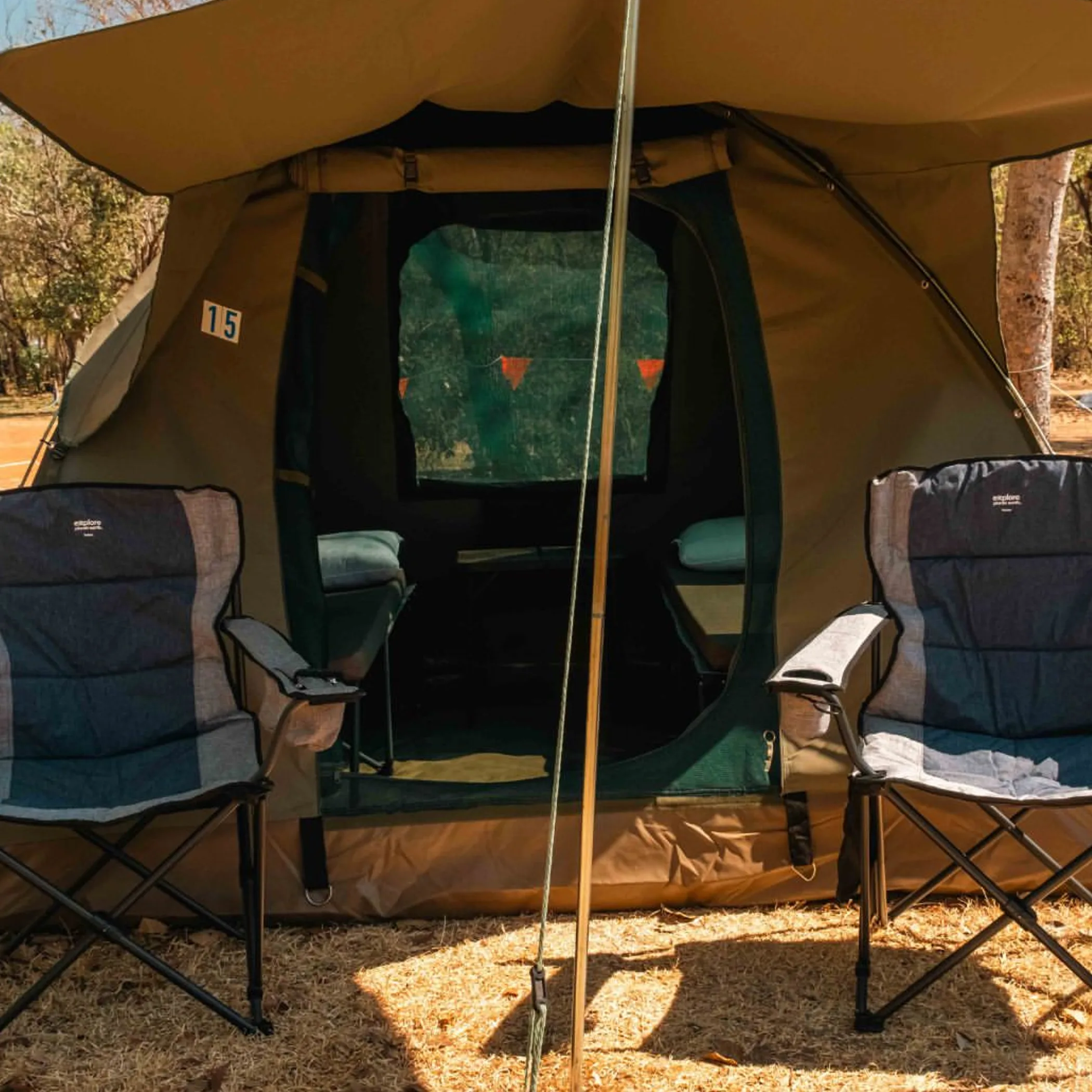
Your accommodation has a greater effect on your footprint than is appreciated. Proper cooling, water and waste systems at a decent establishment will serve the sustainability of an NT national park better than a stack of reusable coffee cups in the back of the car. George Vale is as fond of a working kettle and a quiet room as anyone, but he has no patience for places that act as though the bush is an inexhaustible utility. Up in the Top End sustainability must hold up in the dust and the heat, not just on the web.
Compare Stays Honestly
You will find the comfort and environmental credentials of an eco accommodation Kakadu can differ considerably. Some cater to those wanting to put in fewer miles, others are for the type of traveller who will forgo a measure of comfort for a smaller operational footprint. Allow for higher costs in the peak season at Nitmiluk National Park or Kakadu National Park than a regional traveller might think. And when you factor in the generators and supply runs, “cheap” budget camping with its paid sites and little shade is not necessarily low impact.
Camp Without The Circus
Arrive self-contained and use the dunnies provided; do not make of a campground what you would a private music festival. Make sure food is put away and do not leave the engine running for air-conditioning if you can help it. Then again, the basic or remote camping of the NT is not for all. It can be trying on older folk with mobility issues or families with small children in the hot months. There is no prize for suffering, so a lodge or cabin is sometimes the sensible thing.
Respect Country Properly
In the NT cultural respect is not an adornment, it is part and parcel of travelling responsibly with real implications for your photography, your movements and who is the beneficiary of your presence. George Vale has little time for the kind of traveller who demands authenticity and has none for manners. These are living cultural landscapes in the Northern Territory parks, not a museum with a swimming hole.
Follow Local Protocols
Take the site signs at their word. Should an area be off limits for ceremony, cultural reasons or the season, that is that. Do not put the guide to the test for access and do not go round the barriers.
Get permission from people before you put them in a photograph. And at rock art and the like, be mindful of any restrictions. There are rules in some spots for a reason; an image or story can have a meaning that is not for a visitor to put aside in the name of content.
Support Community-Led Tourism
There is no better way to put your money where conservation and cultural respect is concerned than with an Aboriginal-owned tours Northern Territory or business in the Northern Territory. It is a matter of supporting community control over how tourism is put on, as well as employment and the passing on of knowledge.
When considering an operator, one will do well to find those who are straightforward about Country and the seasonal and safety realities. The right guide is the one who has no qualms about saying no if it is called for.
Protect Wildlife And Habitat
Rangers are not the only ones responsible for wildlife in the Top End, ordinary visitors are too. Do not approach or chase anything, and leave it un-fed. Do not think an animal is absent just because it is out of sight, around waterways in particular.
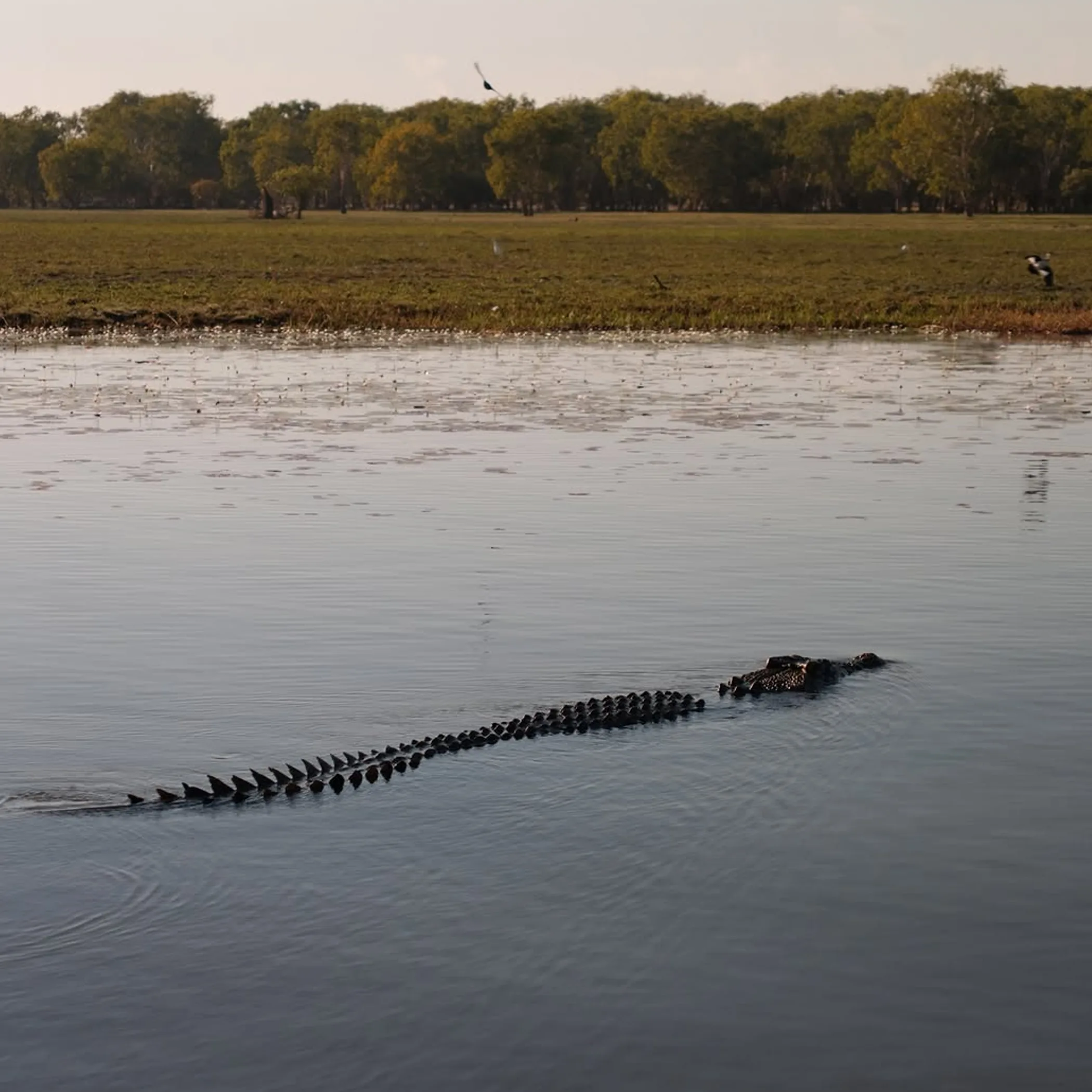
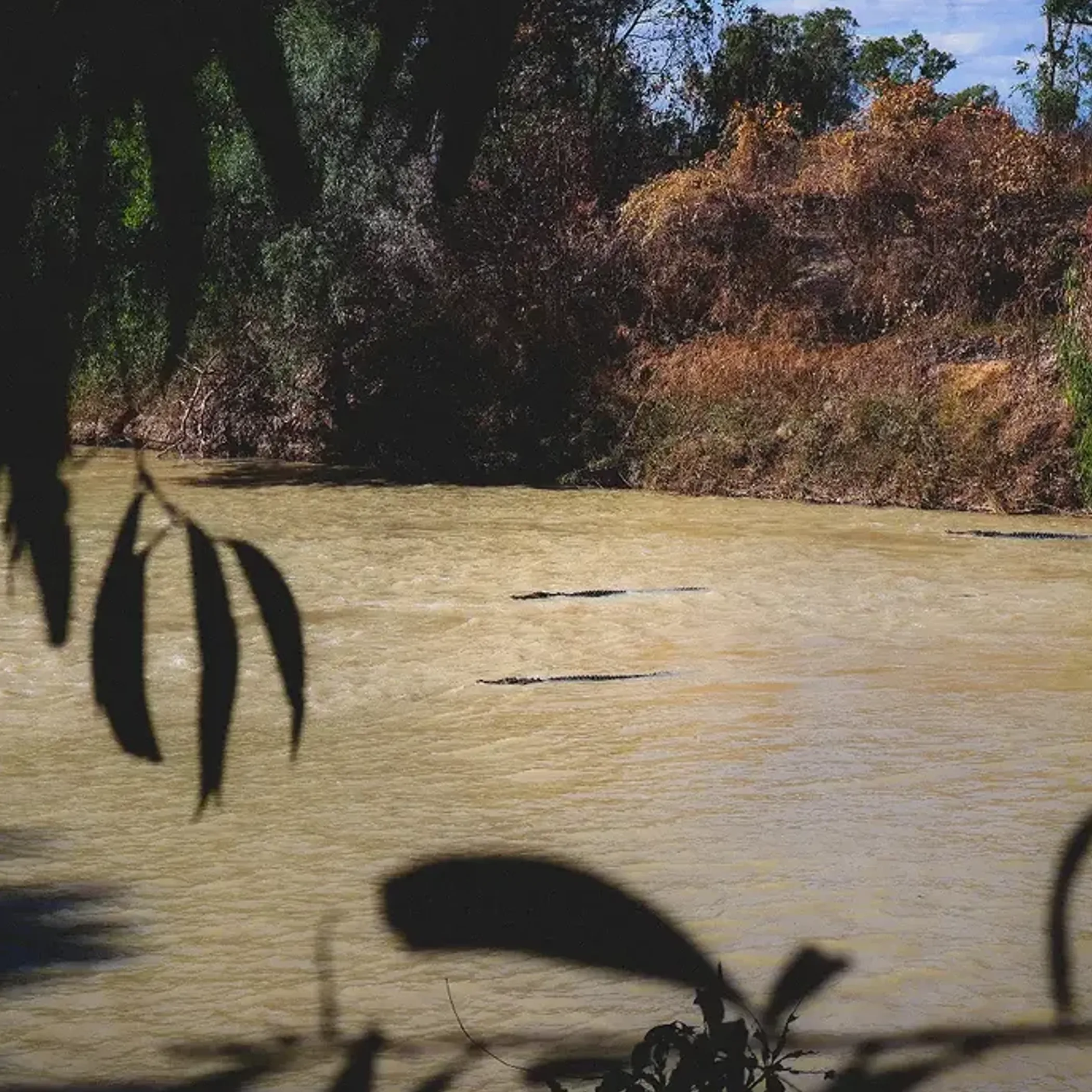
As George Vale would be quick to point out, the NT has a way of putting careless folk in their place. You may be in a hurry but a shaded verge is still where wildlife might cross, and a bank that looks innocuous is croc country.
Be Croc-Wise And Bird-Sensible
Conditions in freshwater can alter so it is incumbent on you to follow the advice on crocodile management to the letter. Do not be swayed by another traveller’s opinion that a spot looked all right yesterday to go swimming where it is not officially sanctioned.
Give the birdlife and other animals their space, particularly in feeding or nesting grounds. Binoculars are preferable to getting up close and personal. Letting a creature change its ways for a holiday picture is not what ecotourism is about; observe quietly.
What Most Visitors Get Wrong
They make assumptions: that a short walk does not warrant water, or they drive at first light to put in the miles, leaving food behind. They fail to appreciate how fast a track edge will be worn down by those straying for shade or a better vantage of the waterfall for a selfie.
To give the no trace ethos of Kakadu National Park some substance one must do the obvious: use the toilet as intended, put every scrap of rubbish away, heed the signs and confine stops to where they are meant to be. Eco-friendly Kakadu practices is a fine phrase but in truth it is a question of unglamorous habits carried out without fail.
Handle Waste, Water And Fire Well
Performance means little in the NT, practical stewardship does. Fire rules are there since a moment of carelessness can get ahead of a road train on the Stuart Highway. George Vale is plain on this: if you have lit it you should know the rules, if you are using water do not expect another tank to materialise, and manage what you have brought in properly.
Have more drinking water on hand than your map would have you believe, with something in reserve for the heat or a breakdown.
Rubbish of all kinds, bottle tops and wipes must come with you if the bins are at capacity. Improvise with a fuel stove in an approved area instead of making a fire.
And before you set off from your accommodation or Darwin or Katherine, see what the notices say on closures, swimming and fire.
Then there is the cost of entrance, fuel and supplies. A self-drive day in the Top End is not just the price of the park; factor in the odd café and ice and food. To underbudget is to cut corners and that is when you will make the wrong call environmentally.
Back Conservation With Your Wallet
It is not enough to do no damage, sustainable travel is also about seeing good work done by reputable operators, rangers and local enterprises carry on, even in the most fragile of places. A traveller will put to George Vale the question of where his money is going and he is inclined to trust them. It is a better question than inquiring as to the finest spot for a photograph, but I have my doubts which is more common.
Spend Where It Matters
When one can, opt for an eco-certified tour, hire a local guide, patronise community enterprises. Dwell in fewer places for longer; the slower pace of it is kinder on emissions and does not put the same wear and tear about as constant moving. And it is a more sensible way to disperse benefits.
Tourism NT and the park managers are at pains to put forward responsible tourism across the Northern Territory, yet in the end the visitor has to make the effort. One cannot make up for poor behaviour with good intentions. Practicality is what counts.
Quick Trip Scenarios
From Darwin, if you are short on time and do not want the stress, Litchfield National Park is your most practical bet for a day. Kakadu National Park is another matter when you have three or five days to put in; you can take a guided experience and drive without making of each stop a fuel-and-photo crisis. Those in Katherine or putting together a longer route into the Top End would be well served by Nitmiluk National Park.
The older set, or any adventurer of later years with a taste for honest pacing, will find the sustainable experiences this side of the Territory are best had from fewer bases with an early start and a break in the shade, and with accommodation not far from where you intend to be. There is no timidity in that, only efficiency.
Take The Slower Road
There is a simplicity to doing the national parks of the Northern Territory in a sustainable manner: follow the season and official counsel, let Country have its time and leave less than you came upon. This applies to Litchfield National Park, Nitmiluk National Park and Kakadu National Park and is a recipe for a superior trip too.
George Vale might say a sensible itinerary is not going to woe the loudest in the pub, but it affords you the quieter room, a swim that is safer, better company and you will have fewer regrets. A fair enough trade in the NT.
Frequently Asked Questions
Travellers in the Top End wanting to be responsible and not be foiled by the heat or wishful thinking or a closure tend to ask these.
Do I Need A Pass For Every NT National Park?
You do not. The arrangements depend on the park and who is in charge. You will see separate entrance fees at Kakadu National Park as a rule, whereas other parks have activity or campground fees in lieu of some universal pass. Make sure you have checked with the park before you set off.
Is The Wet Season A Bad Time For Sustainable Travel?
Not of itself. It may put you in the way of a different landscape and ease the crowd, but then again there is the humidity and the possibility of a storm or cyclone turning your plans on their head. Access can be an issue. It is for the flexible and the prepared, not those with a rigid plan.
Are Eco Tours Worth The Extra Cost?
For the most part. An operator of repute in the Northern Territory will spare you the need for several trips in your own vehicle, put you right on the conservation rules and foster a cultural understanding. First timers in Nitmiluk National Park or Kakadu National Park would do well to use them.
Can I Camp Anywhere If I Leave No Trace?
No, you cannot. Local rules still apply. Confine yourself to permitted areas and what is designated for facilities, observe fire and waste restrictions and honour your booking conditions.
What Is The Best Sustainable Choice For A Short Visit From Darwin?
Litchfield National Park for an overnight or a day. You can put it together more efficiently and there is less driving to be done than at Kakadu National Park so you are not in such a hurry to get through.
See what the official sources say on access and closures.
Let the season dictate your route, not something you saw on social media.
Stay put and book fewer places to avoid the driving and the aggravation.
Back the local operators and Aboriginal-owned tours with proper environmental credentials.
Keep to the marked areas, put your water and waste where they should be.
