There is a straightforward way to go about it when you are in the desert: put in the preparation, be conservative behind the wheel and park with an eye to making a swift exit if need be. In the bush a pretty stop can become an inconvenience in no time; wrong tyres for the going, a track that is not as firm as it seems, or putting your nose into the sand only to be at it for an hour later. It is nothing to make a fuss over. The bush is what it is.
I am George Vale and one learns from experience that desert lookouts are for the steady sort of traveller, not the overly optimistic. You will find the same applies whether you are in the Top End in the dry, the Pilbara or the Red Centre, or have come down a rough as guts track to some outback platform you have not heard of. The fundamentals do not change: have more water than you think sensible, be sure of your vehicle and the road, and pick where to park with due care.
A Question Of Mindset
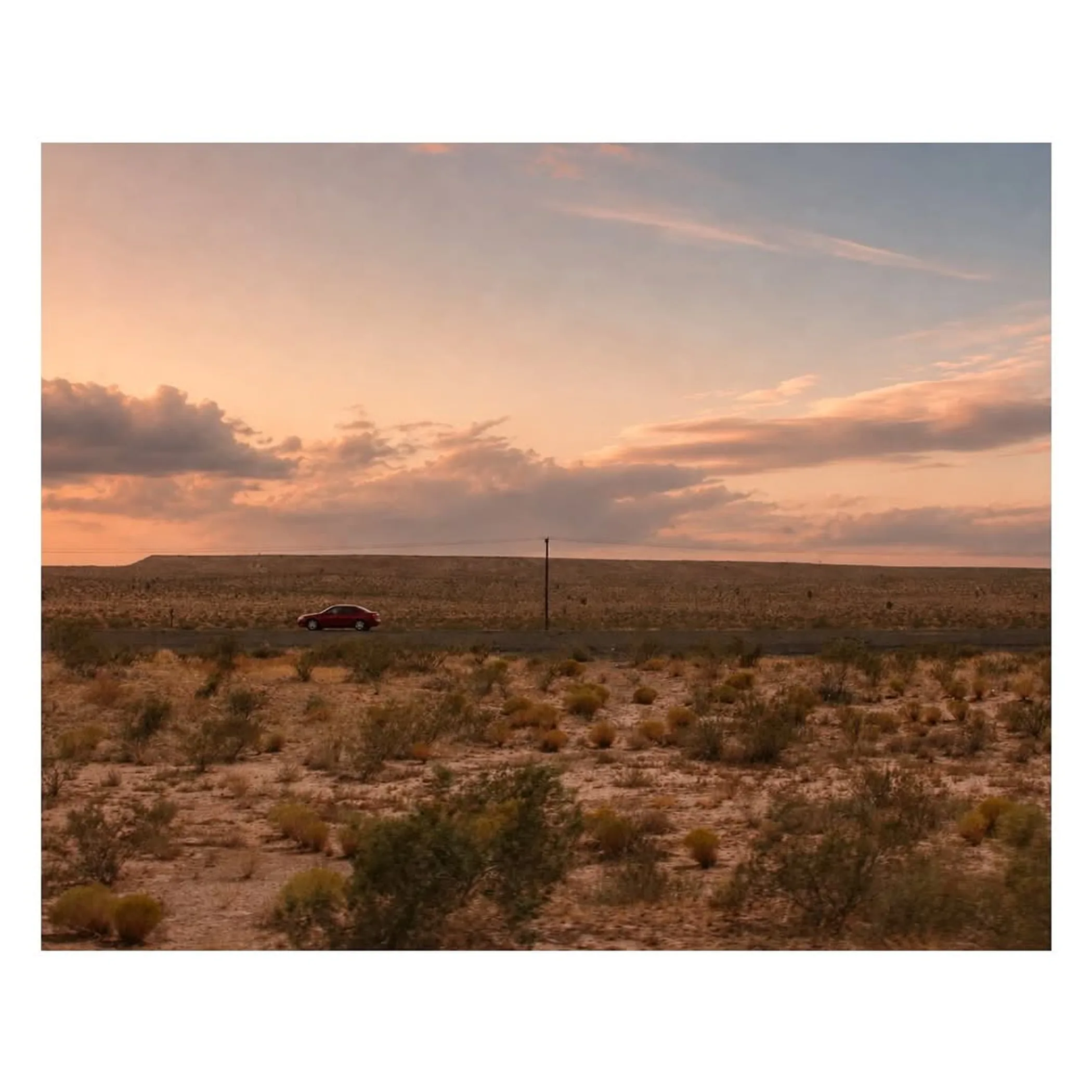
Do not think of a remote viewpoint as a suburban car park with a view. They are at the end of long approach roads with their share of patchy weather and surfaces to contend with, and a silence that puts a flat battery in perspective. My rule is the drive is every bit as important as getting there. You will see most desert trouble has occurred before the camera comes out, often because a person made of a small expedition what was supposed to be a quick detour.
For Whom This Is Intended
The self-drive type doing a day run or an overnight 4WD in the Australian desert will find this guide of use. Equally so for those in a touring wagon or SUV, Pinnacles trails preparation advice can help gauge if they have the confidence and energy for a given spot.
But if you are in a 2WD of low clearance, or solo with not much experience, or you are towing a van of some weight into soft sand in the wet season after local rain, then some tracks are off limits. Out here “just a short access road” is a matter of blunt reality: it could be deep bull dust, corrugations to rattle the glovebox and sharp washouts.
Put Some Plan Into It
You can avoid most poor decisions with a little planning. Off the bitumen you should check for closures, the weather, any rules in place and if the terrain demands a high-clearance vehicle or 4WD know-how.
Leave the cheerful hunches and a single app at home. An old route in the desert can put you on a station track or a claypan / playa that is less solid than it appears, or take you into a reserve that is closed.
Timing, Rules And The Like
Have two means of navigation to hand, an offline map among them. See what the rangers and park pages have to say. In Australia the Bureau of Meteorology is the authority on warnings and forecasts; severe storm and flood conditions alter fast with inland rain so consult them before you set out on a remote road.
Then there is the matter of timing. A hundred and twenty kilometres on seal is no problem. Do that over sandy bends and creek crossings and you will be looking at twice the time people allow for. It is not some dramatic impediment that gets you but the hours of concentration and fatigue.
Aboriginal land, desert reserves and certain outback roads may call for a permit or pass. Closures are current even if a blog tells you different. “Usually open” is best regarded as pleasant gossip until you have an official word. With a day to spare, make for the viewpoint on your route that is easiest to get to, not the one with the name on the map. There is no point in a hard slog to a far-off lookout and then having to put back at dusk while the roos are stirring up trouble.
Get The Vehicle In Order
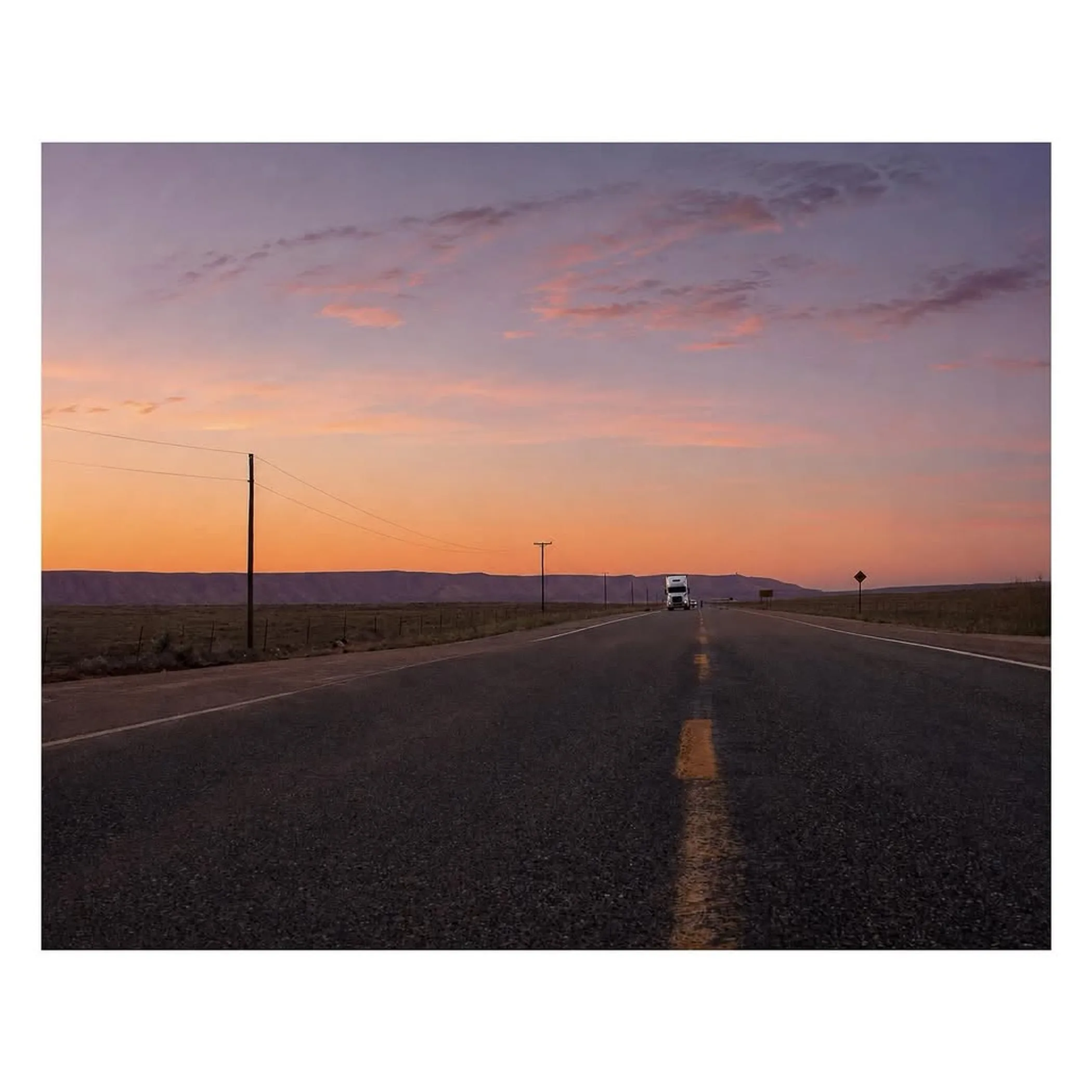
It is not very glamorous prepping a vehicle for the outback but recovery is costlier. All the usuals are of importance, from the underbody and battery to the cooling and suspension, well before the dunes.
What do most travellers do wrong? I would say they have their playlists and snacks sorted and let the mechanical side slide. Your spare tyre being as flat as a pancake is not something a viewpoint is interested in, no matter how handy your camera is. Vehicle Essentials
Vehicle Essentials
Run through the basics: engine oil, coolant, brake fluid, belts and hoses, battery terminals and lights. Give all the tyres a once over, spare included; look for any uneven wear or stones in the tread and check the sidewalls. And do not assume your jack, wheel brace and lock key will be of use when the vehicle is laden; see that they are accessible and fit for purpose.
Size is not everything with a 4WD, high clearance can be of more service. It is what you need for ruts, washouts or an awkward parking bay. On a remote outing low-range gearing will stand you in good stead for sand or a steep exit, but it is no substitute for sound judgement.
Quick Desert Prep
| Item | What To Check | The Reason |
| Tyres | Tread, valve caps, compressor, spare | For traction and to put the right pressure on for sand |
| Battery | Terminals, age, how well it cranks and charges | A weak battery will be made an example of out in the country; have a portable jump starter on hand |
| Cooling System | Hoses, fan, coolant for any leaks | You put a greater heat load on the system at low speed in the sand |
| Underside | Guards, suspension, anything loose | Corrugations have a way of undoing what you thought was secure |
| Recovery Kit | Rated points, strap, shovel, boards | For when you are boggled or require some assistance |
| Comms | UHF, phone and charger, satellite unit if you are remote | The scenery may improve but reception will have long since gone |
On Tyres and Technique
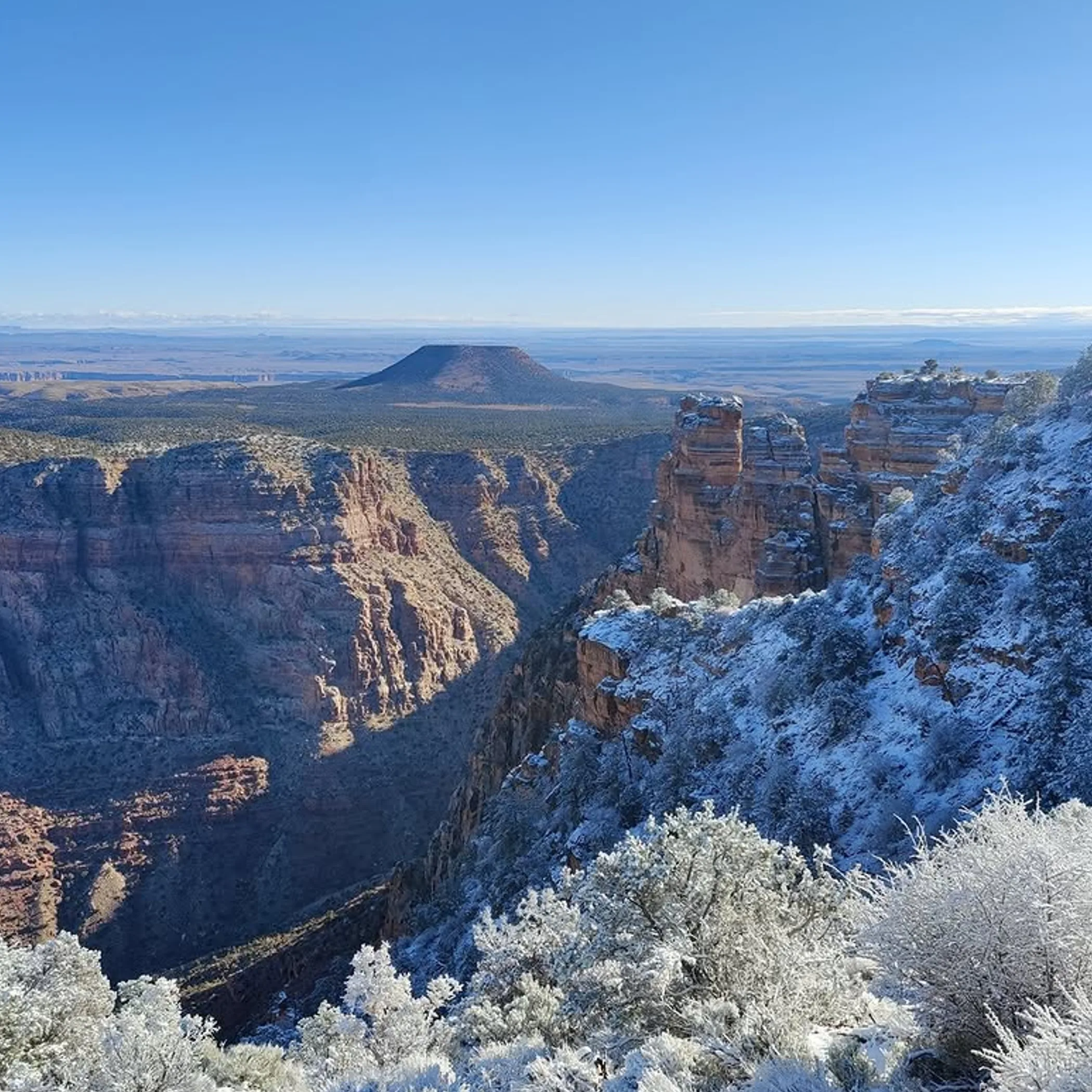
Common sense and control come down to the tyres. Put on the wrong pressure and a simple run becomes a chore; get it right on corrugations or a sandy approach and the vehicle will behave accordingly. Theory has its limits in the outback. When the surface calls for it, lower the PSI and drive with some smoothness. Momentum is fine, but speed comes at a cost.
Sand, Gravel, Corrugations
To get better flotation in the sand most will drop tyre pressure to open up the contact patch. But there is no one figure for sand that works for every tyre, load and vehicle weight. Make a sensible adjustment and watch how the tyre is doing, then reinflate on firmer ground. Excess pressure and the vehicle will dig, too little and a careless corner could see the bead come off.
Gravel and corrugations will be kinder with a moderate change in pressure but it is speed that does the damage. They are not forgiving of impatience, will rattle your dashboard and overheat the shocks. Steer smoothly, give the dust room and do not brake hard on loose gravel.
Some Misconceptions
You will see people try to charge soft sections having seen it on the internet. Proper 4WD work is less showy: put in your line early, have momentum but no wheelspin and stay clear of the softest part unless you want to put in some time with the shovel. Then there is the oversight of not putting air back in before hitting the higher-speed roads. Low pressures are a liability in the wrong spot. Prevention is preferable to a recovery from the desert kit.
Making Sure You Can Get Out
A good spot at a desert viewpoint is not just a matter of aesthetics. You want stability and balance so you are not left with drama when the light fails or the weather turns. Park facing out. You will think it self evident until you come across a row of vehicles with their noses in the soft and the driver wondering if he can make it in reverse.
Pick your ground
A compacted area that has been used is best, not the crumbly shoulder or where the spinifex is thick, let alone anything that might conceal a washout. Take a slow walk around a tight site; I have found a rut or rock I did not plan for more often than not.
The type of surface dictates the method. Firm gravel needs no fuss. With soft sand, keep the steering true and come to a gentle stop to avoid digging. Uneven stone requires some thought as to where to put the tyres and whether you can rejoin the track without scraping.
One last thing before you put some distance between you and the car
Have a look underneath. In warm weather wildlife will be after the shade and it is not always the big ones. While you are making a pretence of a café stop with your thermos tea something small can make itself at home under the chassis or by the tyres.
After a rain one is not to park on the claypan or playa, in dry creek lines or on any vegetation. The surfaces may seem fine but will ensnare a vehicle with remarkable ease. Make use of the tracks and any areas put aside for the purpose; be sure to leave your fellow travellers space to turn without putting a wheel over the edge.
Recovery And Safety Gear
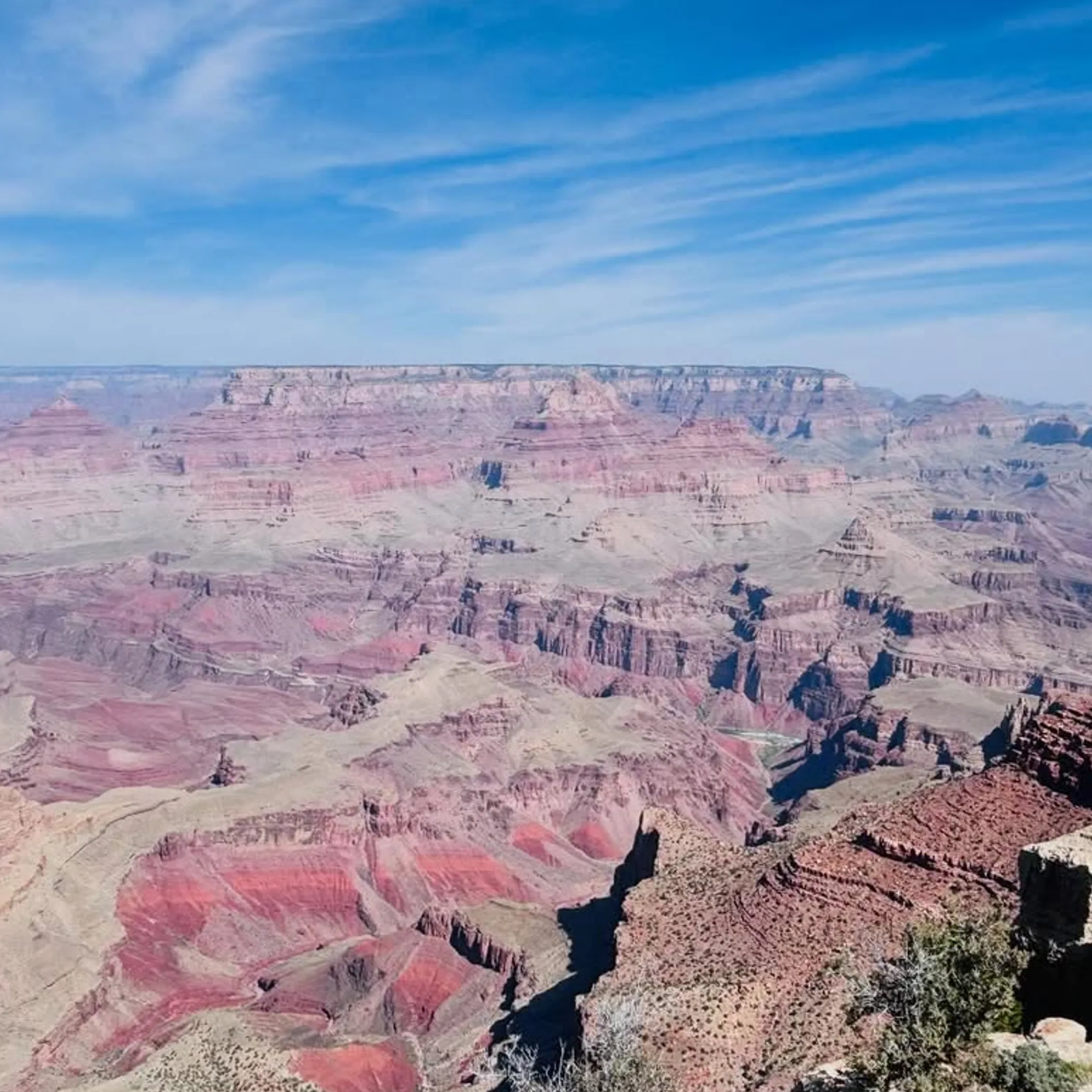
There is no call to make of your vehicle a round-the-world expedition truck, yet self-reliance requires you to have the fundamentals. One can find remote access to a viewpoint where help is available in name only and in reality hours off.
George Vale would tell you to pack for the inconvenience of it all as opposed to catastrophe. It is not as heroic sounding but more often than not what spares you an expensive lesson. Special driving skills and awareness are essential for safely navigating remote desert roads and viewpoints.
- A tyre repair kit and compressor, pressure gauge and a spare that is fit for service
- A shovel, traction boards, a recovery strap with its rated points, gloves, a torch and jump starter
- Then there are the engine fluids, fuses, tools of a basic nature, first-aid, something for the sun and insects, and paper maps
Use What You Have
You can own gear and still not be ready. A recovery strap demands to be put on by those who know how and to properly rated points, as does a portable jump starter or a tyre repair. Put in some practice at home, not out in a hot crosswind with onlookers and the last of your muesli bar going soft.
For touring equipment and field repairs one can read up in Caravan World or Australian Geographic; REDARC is a familiar name in these parts for electricals. All very useful but judgement is what counts.
Comms And Water
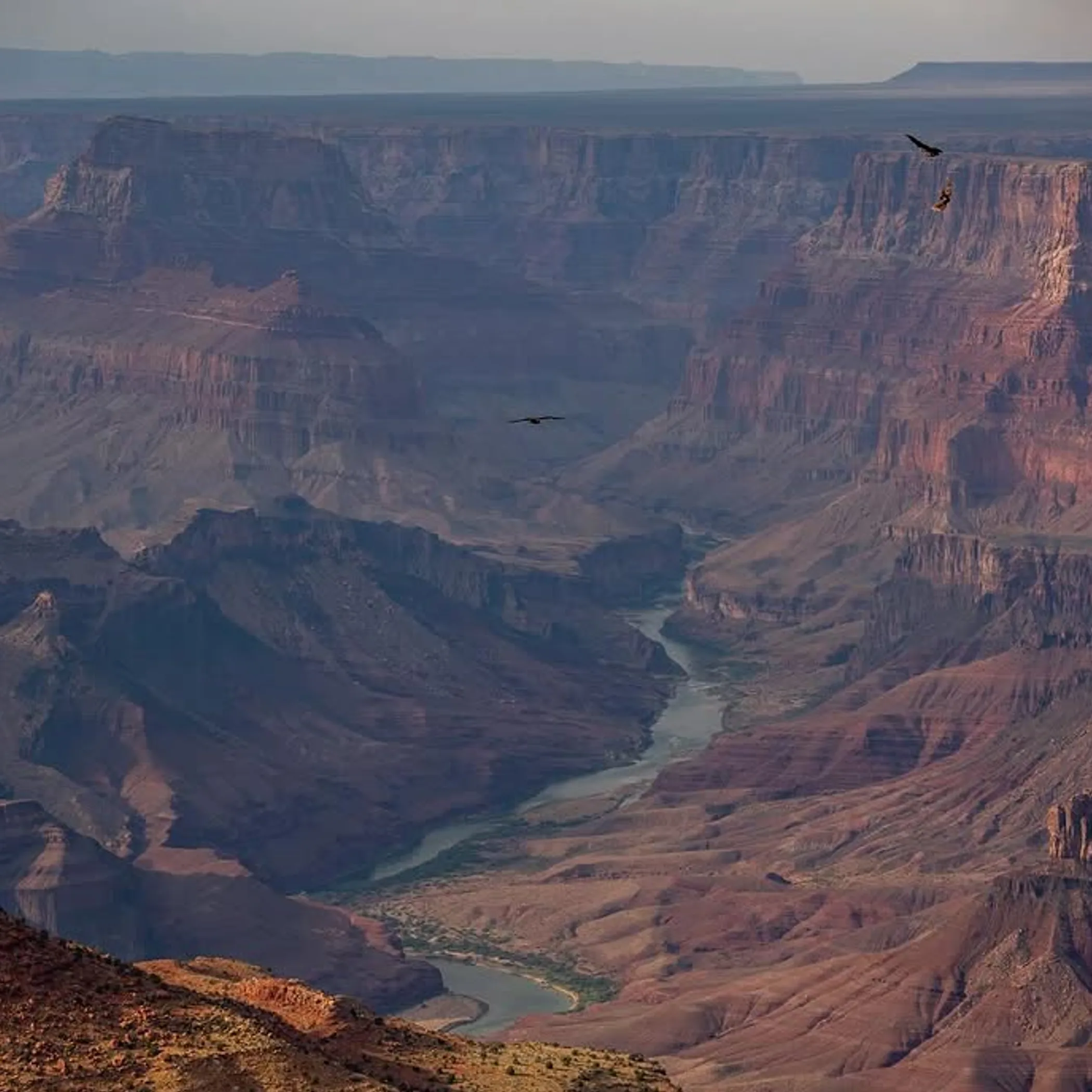
Many do not put sufficient thought into water and supplies for a trip into the back country. A puncture or a storm cell, a fallen branch or even a navigation blunder can put an unlooked for hold on a scenic stop.
The desert safety checklist is straightforward: have on hand more drinking water than you imagine necessary, food for when things do not go to plan and means of communication not wholly reliant on mobile reception.
Then there is the question of how much is enough
I will not put a number on it given the season, the distance, the age of your passengers and so forth. For the drive and the stop and any delay, take enough, with some to cool down and wash. In the heat of the day in a region where rock and sand reflect it, let your reserve be on the generous side.
Simple fare for a day’s run that can stand the heat: wraps, crackers, nuts and fruit that will travel, and more water than is de rigueur. Should you have been perusing the Pinnacles trails advice, apply that common sense here; being remote is not negated by short distances.
Tell Someone
Your route, where you are headed and when you will be back, and at what point to be concerned should be made known to someone. In the more isolated country a satellite messenger or beacon is a sounder safety net than one’s own confidence. UHF has its uses with traffic and road trains but is no emergency substitute.
Country And Wildlife
Do not be fooled by the hard look of a desert landscape, it is readily damaged. A cryptic soil will crumble, a tyre mark will remain and you will forget the shortcut across fragile ground long before it is gone.
Courtesy has its place. Act like a grown-up with a map and not a rally driver looking for trouble and the bush will not become your personal car park.
Tracks Are To Be Followed
Use the pull-ins and established bays. Do not see to it that you make your own because the official spot is taken or poorly sited for a photo. Such convenience erodes and blocks emergency access and harms the vegetation.
Some famous overseas names in the search results, such as Desert View Drive, Desert View Watchtower, Grand Canyon, and Great Sand Dunes NP, are case in point from overseas that etiquette at a viewpoint is the same everywhere: marked areas are to be respected and closures heeded. The National Park Service has good reason for their insistence on designated access.
A Word on Hazards
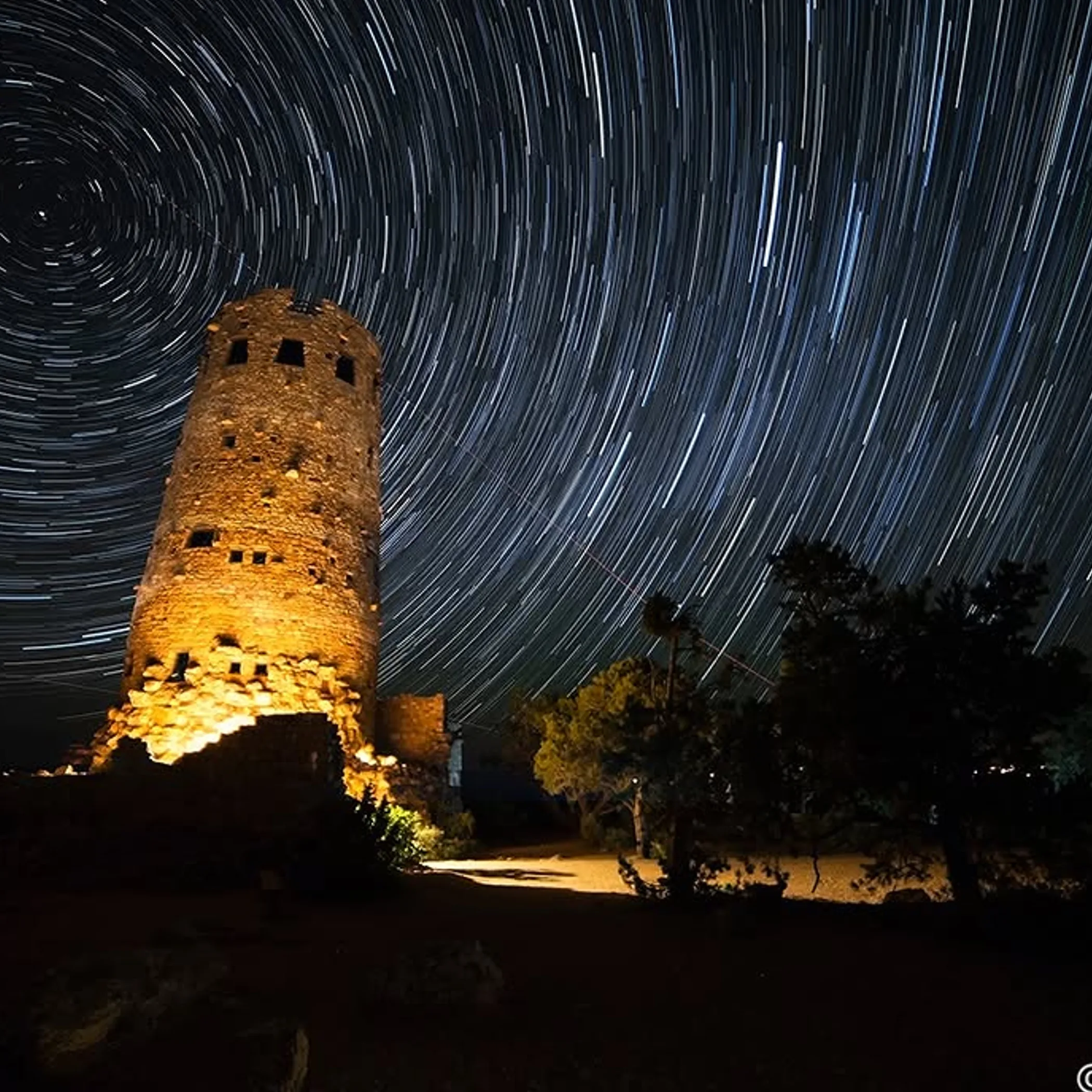
There are some everyday items that make for the worst kind of danger when you are driving a desert viewpoint. You might have to contend with a washout you did not see, or an afternoon storm, or a driver who is past it, a battery on its last legs, wildlife as dusk falls. For the most part they can be put aside by keeping your eyes open and allowing some leeway in your schedule, rather than heeding the map’s suggestion that you are close enough to press on.
I have made the decision to turn back on account of local rain more times than I care to count and have had no cause for regret. Pride does not make for a good way to recover.
Where Trouble Lies
An hour before, a road may seem bone dry but flash floods will have it in their grip, particularly at low crossings and in channels. One finds drop-offs concealed by eroded edges at a lookout or in some unmarked parking area. Then there is the matter of wildlife at dawn or dusk, or stock on an unfenced road putting in an appearance as though they have a right to be there.
In parts of the south and centre you have to factor in heat stress and the off chance of a bushfire closure come summer. Up north, from November through April the weather associated with cyclones will have an effect on the roads well inland. Do not be under the impression that “the dry” makes for easy going; fresh corrugations can put in an appearance a few days after any grading.
The Cost Of It All
On a sandy or badly corrugated road fuel consumption will go up. And while prevention is the sensible thing to do from a safety point of view, it is also good for the wallet: a recovery call-out in the middle of nowhere is variable and can cost far more than your run of the mill roadside assistance. Permit and park pass fees are a regional matter and if you want a room and a proper dunny near a desert gateway in peak season, prices will be high, so get your booking in early.
Exit In Your Own Time
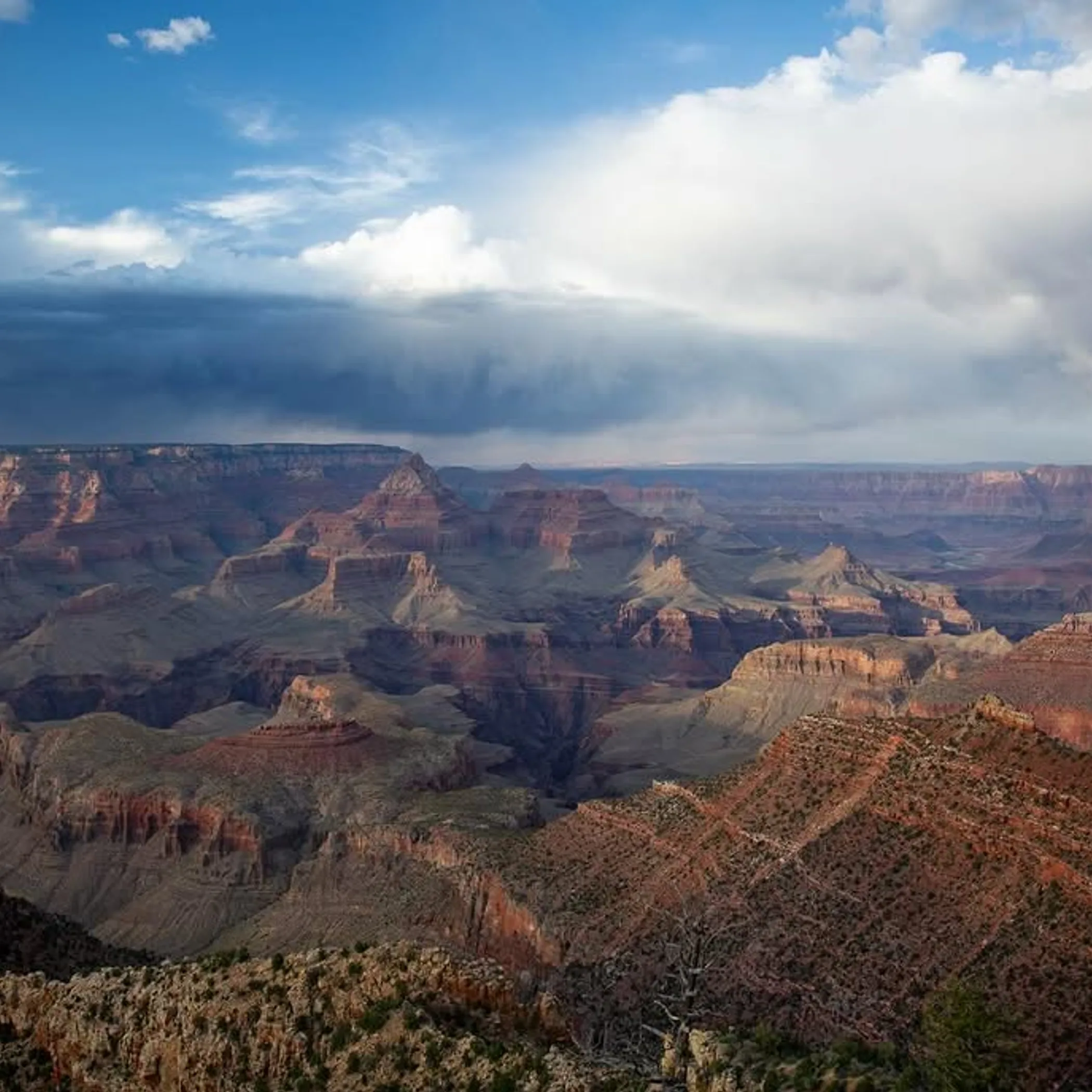
A remote viewpoint should be left in a quiet fashion. Do your walk around, see to the tyres, put the rubbish away and make a measured return to the main road before you get too tired to think clearly. There is nothing to be won by being the last one out and driving into roo hour in a state of fatigue.
As George Vale would put it, what passes for desert driving tips are in fact lessons in discipline. Know your vehicle, set the tyre pressure, have regard for the weather and ground you are on, and do not mistake a detour for something harmless just because you want a photo.
FAQ
You will hear these from travellers, generally in the wake of a member of the party opining “she’ll be right”, which is hardly a strategy for transport.
What Are The 5 F’s?
To keep a driver disciplined on a tour, the 5 F’s are a handy guide: forecast, fatigue, fluids, food and fuel. Make sure you have sufficient of the first three and a sound plan for the latter two, plus the current weather report, before you set off on a remote run. If anything is wanting, sort it out.
What Car Is Best For The Desert?
One that is reliable and has the clearance for the track, good tyres and a driver cognisant of its limits. A 4WD with low range is the safest bet for soft sand and rough station country. Size is not everything, condition and range are more important.
And The 5 C’s?
For outback travel we like to think of them as concentration, control, caution, courtesy and condition. Keep your focus, do not overtax your traction, be sensible on a narrow road and check on the state of the vehicle and the driver. When one of those is neglected, errors follow.
Making A 7 Hour Trip Endurable
Do not let the day run on, change drivers where you can and put in a stop before you are done in. Remote roads will take longer than is indicated on the map, so hydrate and eat lightly. Seven hours on the motorway is not the same as seven hours on mixed desert roads.
Are These Applicable To A Scenic Stop?
They should be. A quick trip to a lookout can leave you with soft sand underfoot, no shade or reception and a hard time getting out if you have parked poorly. Short outings tend to breed false confidence and people will pack less than they should, showing up with a packet of regret and a bottle of warm water for three.
